
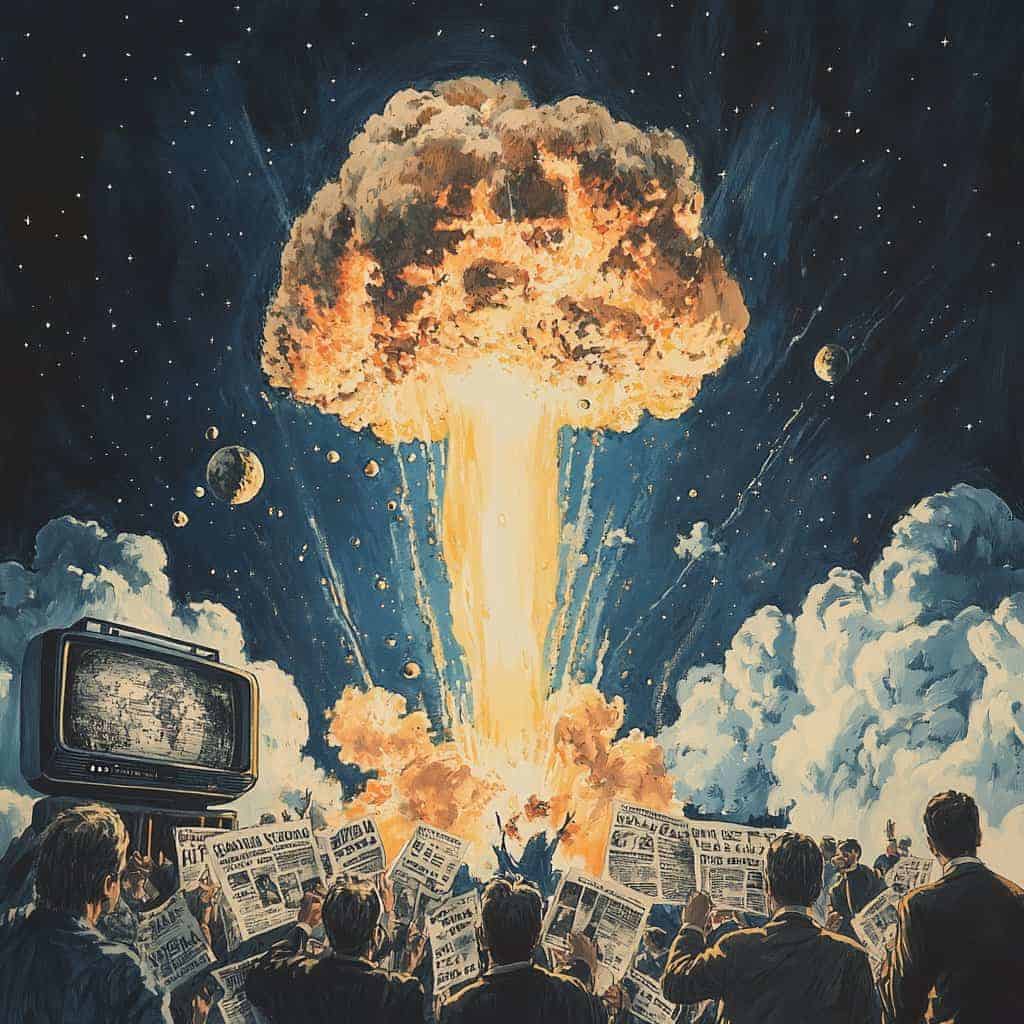
Some memories stick with us forever. They’re etched in our minds like snapshots of history, not just because of their significance but also because of how they made us feel. Scrolling through your shared memories, it’s clear these moments didn’t just shape personal lives—they became part of the collective consciousness of entire generations.
From tragic losses to triumphant leaps, let’s revisit the moments when time seemed to stand still and the emotions that made them unforgettable.
The Kennedy Assassination: November 22, 1963
The day President John F. Kennedy was assassinated is one of the most universally remembered events. For many, it was a moment of shared grief and disbelief.
Julie recalled being in school when the announcement came: “We all went to the windows. It was silence… not a pin dropped. The world stood still.” Mona shared, “I was just nine years old, in fourth grade, when we learned the news.” Debbie added: “I was 10, and it was awful.”
Rick remembered the overwhelming sorrow: “All the women everywhere you looked were crying.” Marianne described the somber atmosphere: “It was announced over the school PA system.” JFK’s assassination wasn’t just a news event; it was a wound felt by an entire generation.
Apollo 11 Moon Landing: July 20, 1969
Humanity took its first steps on the moon in 1969, and those who witnessed it remember it as a moment of wonder and pride.
Donnie shared, “The Apollo landing in 1969 is something I’ll never forget.” William called it “an emotional triumph for everyone.” Rose simply stated, “Neil Armstrong walking on the moon.” Bonnie highlighted the moment as an enduring image of human achievement.
Marshall tied it to the broader context of the times: “The lunar landing in July 1969 stood out as a beacon of hope amidst the turbulence of the Vietnam War and other challenges.”
Cuban Missile Crisis: October 1962
The Cuban Missile Crisis brought a palpable fear of the unthinkable as the world teetered on the edge of nuclear war.
Sherrylynne vividly described the fear: “We lived by a bomb shelter factory, and there were thousands of them. Everyone thought the Russians were going to do something stupid.” Steve added, “It was terrifying, knowing we were on the brink.” Ray remembered the tension: “Everyone was glued to their radios.”
Valerie called it “a time when every decision felt like life or death.” Rick mentioned the broader implications: “The Cuban Missile Crisis was a wake-up call about how fragile peace could be.”
Related Articles
10 Restaurants That We Grew Up With That Are Sadly Gone
11 Nostalgic Products That Boomers Grew Up With
5 Forgotten Stars Who Brought 60s Dances to Life
Boomers Spill the Tea on the Most Epic Concerts of Their Era
8 Of Our Favorite Stores That Sadly Closed Down
The Legendary Cars Boomers Learned to Drive—Which One Was Your First?
Vietnam War on TV: Late 1960s – Early 1970s
For many, the Vietnam War wasn’t just an event—it was a nightly fixture in their homes, broadcast in stark detail.
Curtis remembered: “The nightly reports of the Vietnam War shaped my understanding of conflict.” Penny shared: “It was one of the first times war felt so close, even though it was far away.” Marshall tied it to other memories: “The war, alongside events like the lunar landing, defined those years for me.”
Ethel noted: “It became a routine, seeing the updates every evening.” Elijah reflected on how it affected his childhood: “I was 10 when I started to realize the gravity of what we were seeing.”
Sputnik’s Launch: October 4, 1957
The launch of Sputnik, the first artificial satellite, was a marvel of science—and a chilling reminder of the growing space race during the Cold War.
Ivan remembered: “Seeing Sputnik fly over was surreal. It felt like we were stepping into the future.” Ronny shared: “It was both awe-inspiring and a little scary.”
Rick added, “It was a moment that made you realize the world was changing fast.” Mary called it “a turning point in how we viewed technology.” Steve emphasized the global implications: “Sputnik was a game-changer for the space race and for geopolitics.”
Closing Thoughts
What ties all these memories together isn’t just the events themselves but how deeply they impacted those who lived through them. Whether it was the shock of JFK’s assassination, the awe of the moon landing, the fear of the Cuban Missile Crisis, or the fascination with Sputnik, these were moments that demanded to be remembered.
And remembered they were. History isn’t just a record of facts—it’s a collection of emotions and personal experiences. These shared moments remind us how connected we are through the milestones of the past.
